Silky Tapioca Noodles Recipe | Chewy, Light & Gluten-Free
Craving soft, chewy, and utterly satisfying noodles? Today, I’m sharing my Tapioca Noodles Recipe, a homemade delight that’s perfect for stir-fries, soups, or even as a snack. These noodles are naturally gluten-free, slightly chewy, and have a subtle, pleasant flavor that pairs beautifully with your favorite sauces or broths. Making them from scratch might sound intimidating, but I’ll guide you step by step so you can enjoy restaurant-quality noodles in the comfort of your own kitchen.
Dough Preparation
Making the perfect tapioca noodles starts with the dough. I’ve broken it down into three variations depending on the texture you prefer: Standard, Soft, and Sticky. Each one has slightly different flour ratios and water amounts, but the method is similar.
Step 1: Mixing the Ingredients
- Start by combining your chosen flours in a mixing bowl. For the standard noodles, mix rice flour and tapioca flour; for soft noodles, adjust the flour ratios; for sticky noodles, include glutinous rice flour.
- Add a pinch of salt for flavor.
- Slowly pour in boiling water while stirring continuously. This helps the flours absorb moisture evenly and prevents lumps.
- Knead the mixture into a smooth, pliable dough. It should be slightly sticky but manageable. If it feels too dry, add a teaspoon of water at a time until the dough holds together.
Step 2: Rolling the Dough
- Divide the dough into small portions for easier handling.
- On a clean, lightly floured surface (using rice flour or tapioca flour), roll each portion into a 20–21 cm long log.
- Cut the log into 3 cm pieces. Cover the pieces with a clean tea towel to prevent drying.
Step 3: Shaping the Noodles
- Take one piece of dough and roll it into a rectangle roughly 8 x 10 cm.
- Lightly dust the surface with tapioca flour to prevent sticking.
- If you have a noodle machine, run the dough through to form strands. Adjust the machine to your preferred thickness.
- No noodle machine? No problem! Cut the rectangle into 1/2 cm strips with a knife for homemade noodles.
Cooking the Tapioca Noodles
Once your noodles are shaped, the next step is cooking them to achieve that soft, chewy texture. This process is quick but requires attention to ensure they don’t stick together.
Step 1: Boil the Noodles
- Bring a large pot of water to a rolling boil.
- Add 2 tablespoons of oil to the water. This helps prevent the noodles from sticking during cooking.
- Gently add the noodles to the boiling water.
- Cook the noodles for about 1 minute. Tapioca noodles cook very quickly, so keep an eye on them to avoid overcooking.
Step 2: Cooling the Noodles
- Using a slotted spoon, remove the noodles from the boiling water.
- Immediately soak them in cold water for 1–2 minutes. This stops the cooking process and keeps the noodles chewy.
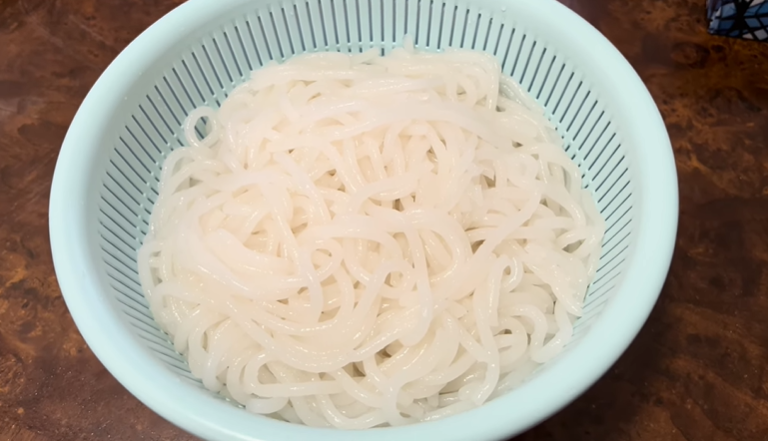
- Drain thoroughly. The noodles are now ready to be added to soups, stir-fries, or any dish you like.
Tips for Perfect Noodles
- Prevent sticking: Always toss the noodles with a little oil after draining if you’re not using them immediately.
- Do not overcook: Tapioca noodles become gummy if boiled too long. One minute is usually sufficient.
- Batch cooking: If cooking multiple batches, make sure the water returns to a rolling boil before adding more noodles.
Serving and Decoration
Tapioca noodles are incredibly versatile. Whether you’re serving them in a soup, stir-fry, or cold noodle salad, there are plenty of ways to elevate the dish.
Suggested Toppings and Add-Ons
- Sauces: Soy sauce, sesame oil, chili garlic sauce, or peanut sauce add amazing flavor.
- Vegetables: Sautéed bok choy, bell peppers, carrots, or mushrooms pair beautifully with tapioca noodles.
- Protein: Add grilled chicken, tofu, shrimp, or beef for a hearty meal.
- Garnishes: Fresh herbs like cilantro, green onions, or toasted sesame seeds enhance both taste and presentation.
Serving Tips
- Serve immediately after cooking for the best texture.
- If adding to soups, place noodles in the bowl first, then pour hot broth over them.
- For stir-fries, toss noodles lightly with sauce and vegetables to coat evenly.
Storage Instructions
How to Keep Tapioca Noodles Fresh
- Store cooked noodles in an airtight container at room temperature for up to 1 day.
- To prevent sticking, toss them lightly with a small amount of oil before storing.
Freezing Tapioca Noodles
- Tapioca noodles can be frozen if you want to prepare them in advance.
- Place cooked and cooled noodles in a freezer-safe bag, remove excess air, and seal tightly.
- Freeze for up to 1 month. Thaw by soaking in warm water for a few minutes before reheating or stir-frying.

Tapioca Noodles Recipe
Ingredients
Video
Notes
Required Kitchen Tools
Having the right tools can make your noodle-making process smooth and enjoyable. Here’s what I use when I make tapioca noodles at home:- Mixing Bowls: A large bowl for combining flours and water.
- Rolling Pin: To flatten dough into the perfect noodle thickness.
- Noodle Cutter or Knife: For cutting noodles into strands if you don’t have a noodle machine.
- Noodle Machine (Optional): For perfectly even strands, but not required.
- Saucepan: For boiling noodles.
- Slotted Spoon: For removing noodles from hot water safely.
Tapioca Noodles Recipe: FAQ
What are tapioca noodles made of?
Tapioca noodles are primarily made from tapioca flour and rice flour. Some variations may include glutinous rice flour for extra chewiness. They are naturally gluten-free and slightly translucent when cooked.
Are tapioca noodles gluten-free?
Yes! Since they are made from tapioca and rice flours, these noodles are naturally gluten-free, making them a great option for people with gluten intolerance or celiac disease.
How do I prevent tapioca noodles from sticking?
- Add a few drops of oil to boiling water before cooking.
- Drain and rinse noodles in cold water immediately after cooking.
- Toss with a small amount of oil if not using immediately.
Can I make tapioca noodles ahead of time?
Yes, you can:
- Store cooked noodles in an airtight container for up to 1 day at room temperature.
- Freeze cooked noodles for up to 1 month in a freezer-safe bag. Thaw and soak in warm water before using.
How long do tapioca noodles take to cook?
Tapioca noodles cook very quickly, usually just 1 minute in boiling water. Overcooking can make them gummy, so keep an eye on them.
Can I use tapioca noodles in stir-fries and soups?
Absolutely! These noodles are versatile and work perfectly in soups, stir-fries, cold noodle salads, or even as a side dish.
What’s the difference between standard, soft, and sticky tapioca noodles?
- Standard noodles: Slightly chewy and firm, good for stir-fries.
- Soft noodles: Softer texture, ideal for soups.
- Sticky noodles: Extra chewy and elastic, perfect for dishes that need noodles to hold shape.
Do I need a noodle machine to make tapioca noodles?
Not at all! You can roll the dough into rectangles and cut 1/2 cm strips with a knife if you don’t have a noodle machine. A machine makes the strands more even and uniform.
Conclusion
Making homemade tapioca noodles may seem challenging at first, but with the right steps, it’s simple and rewarding. From shaping the dough to boiling and cooling, every step ensures the noodles are soft, chewy, and ready to absorb your favorite flavors. Experiment with toppings, proteins, and sauces to create a dish that’s uniquely yours. Once you master this recipe, you’ll have a versatile, gluten-free staple perfect for any meal.
Enjoy the satisfaction of fresh, homemade tapioca noodles in your kitchen. It’s easier than you think, and the flavor is unbeatable!
Sally Mckenney is a dedicated baking enthusiast and dessert lover who creates and shares delicious cake recipes and practical baking tips on Daily Bake Lab. Her passion for sweet treats inspires home bakers to explore new flavors and enjoy the art of baking.