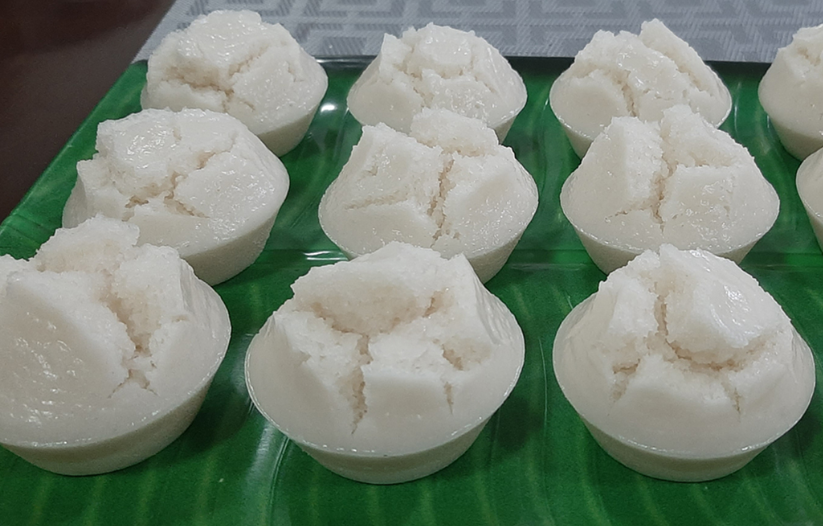
Putong Bigas Recipe | Soft & Traditional Filipino Rice Cake
Craving something light, fluffy, and perfectly Filipino? Putong Bigas (steamed rice cakes) are a beloved merienda or snack across the Philippines. Made with rice flour, sugar, and yeast, these pillowy treats are gently cooked to perfection. Whether enjoyed plain or topped with cheese and salted egg, they’re a nostalgic comfort food that pairs beautifully with coffee or hot chocolate.
Batter Preparation
Preparing the batter correctly is the secret to soft and fluffy Putong Bigas. Follow these steps to get the perfect texture and flavor:
Mixing the Ingredients
- In a large mixing bowl, combine rice flour, all-purpose flour, and sugar.
- In a separate small bowl, dissolve the active dry yeast in warm water. Let it sit for about 5 minutes until it becomes frothy; this means your yeast is active.
- Slowly pour the yeast mixture into the flour mixture, stirring continuously. Whisk until the batter is smooth and free from lumps.
Fermentation and Rising
- Cover the bowl with a clean kitchen towel or plastic wrap.
- Place the bowl in a warm spot and let the batter ferment for about 1 to 2 hours, or until it has doubled in size.
- Once fermented, add baking powder and salt, then mix again gently. This step ensures the Putong Bigas will rise properly during steaming.
Shaping and Steaming Putong Bigas
Now that your batter is well-risen and airy, it’s time to shape and steam these fluffy rice cakes. This is where Putong Bigas takes its final form.
Preparing the Molds
- Grease your cupcake molds or traditional puto molds lightly with butter to prevent sticking.
- Fill each mold with batter up to about ¾ full to allow space for rising during steaming.
Steaming the Putong Bigas
- Prepare your steamer by bringing water to a gentle boil.
- Line the steamer lid with a clean kitchen towel to catch condensation; this prevents water droplets from making the puto soggy.
- Arrange the molds inside the steamer, leaving space between them for even cooking.
- Steam over medium heat for 15–20 minutes, or until a toothpick inserted in the center comes out clean.
Cooling and Releasing from Molds
- Once cooked, remove the molds from the steamer and allow the puto to cool for a few minutes.
- Use a butter knife to gently loosen the sides, or tap the molds to release the cakes.
- Serve warm or at room temperature.
Serving and Decoration
Delicious Topping Ideas
Putong Bigas is versatile and can be enjoyed plain or enhanced with simple toppings:
- Salted Egg Slices – A savory contrast to the sweet rice cake.
- Grated Cheese – Melts slightly on top, adding a creamy touch.
- Freshly Grated Coconut – A traditional favorite for extra texture and flavor.
- Butter Spread – Brush with melted butter right after steaming for a rich finish.
Storage Instructions
Keeping Putong Bigas Fresh
- Store in an airtight container at room temperature for up to 2 days.
- For more extended storage, refrigerate for up to 5 days. Reheat in a steamer or microwave before serving to restore softness.
Freezing Putong Bigas
- Allow the rice cakes to cool completely.
- Wrap individually in plastic wrap, then place them in a freezer-safe bag.
- Freeze for up to 1 month. To enjoy again, steam or microwave until warm and fluffy.

Putong Bigas Recipe
Ingredients
Video
Notes
Required Kitchen Tools
When preparing Putong Bigas, having the right kitchen tools ensures smooth steaming and perfectly risen cakes. Here’s what you’ll need:- Mixing Bowls – For combining dry and wet ingredients.
- Whisk or Hand Mixer – To achieve a smooth, lump-free batter.
- Measuring Cups and Spoons – Accuracy is key in baking and steaming.
- Cupcake Molds or Muffin Trays – Traditionally, small tin molds are used for steaming.
- Steamer or Large Pot with Steaming Rack – The essential tool for cooking Putong Bigas.
- Clean Kitchen Towel – To cover the steamer lid and prevent water droplets from dripping onto the puto.
- With these tools on hand, you’re set up for a seamless cooking experience.
Frequently Asked Questions (FAQ) about Putong Bigas
What is Putong Bigas made of?
Putong Bigas is a Filipino steamed rice cake made from rice flour, sugar, yeast, and baking powder. It’s fluffy, slightly sweet, and often topped with cheese, salted egg, or coconut.
Can I make Putong Bigas without yeast?
Yes, but the texture will be slightly different. Yeast gives Putong Bigas its fluffy and airy consistency. If you skip yeast, you can increase the baking powder slightly, but expect a denser cake.
How do I know if my Putong Bigas is cooked?
Insert a toothpick in the center of the cake; if it comes out clean, it’s fully cooked. The top should also look firm and slightly glossy.
Why did my Putong Bigas turn out dense?
There are a few possible reasons:
- The batter wasn’t given enough time to ferment.
- The yeast was inactive.
- Over-mixing after adding the baking powder.
- Steaming with too high or inconsistent heat.
Can I use glutinous rice flour instead of rice flour?
It’s not recommended. Glutinous rice flour will make the puto sticky and chewy rather than soft and fluffy. Use regular rice flour for the best results.
How do I reheat Putong Bigas?
The best way is to steam for 2–3 minutes to restore fluffiness. If using a microwave, wrap the puto in a damp paper towel and heat for 20–30 seconds.
Can I freeze Putong Bigas?
Yes! Once cooled, wrap each piece in plastic wrap and store in a freezer bag for up to 1 month. Reheat by steaming before serving.
Conclusion
Making Putong Bigas at home is a rewarding experience that brings the taste of Filipino tradition to your kitchen, with its fluffy texture, subtle sweetness, and customizable topping, which appeals to both kids and adults. Whether you enjoy it fresh out of the steamer with cheese or the classic coconut topping, this timeless recipe is sure to delight your family.
So, gather your ingredients, fire up the steamer, and enjoy the comforting aroma of freshly made Putong Bigas. Once you try it, this recipe will become a staple in your home just like it is in countless Filipino households.
Sally Mckenney is a dedicated baking enthusiast and dessert lover who creates and shares delicious cake recipes and practical baking tips on Daily Bake Lab. Her passion for sweet treats inspires home bakers to explore new flavors and enjoy the art of baking.