Possum Stew Recipe | Hearty & Traditional Comfort Dish
Craving something hearty, rustic, and truly old-fashioned? My Possum Stew Recipe is a flavorful, slow-cooked dish that brings together the rich taste of possum meat with wholesome ingredients for a comforting meal. While possum stew might not be on every dinner table, it has long been a traditional recipe in Southern kitchens, passed down through generations. This recipe is both simple and satisfying, using natural ingredients to create a warm, home-cooked experience.
Whether you’re looking to try something adventurous or carry on family traditions, this homemade possum stew is the perfect dish to gather around with friends and family. Let’s dive right into how you can make it in your own kitchen.
Meat Preparation
Preparing the meat is the most crucial step in ensuring a flavorful and tender stew. Here’s how I do it:
Step 1: Cleaning the Possum
Make sure the possum is well-cleaned and skinned. Remove any excess fat, as it can give the stew a strong, gamey flavor. Rinse the meat under cold water and pat it dry with paper towels.
Step 2: Cutting into Portions
Cut the possum into serving-sized pieces, similar to chicken portions. Smaller pieces will cook evenly and absorb the flavors of the stew better.
Step 3: Browning for Flavor
In your Dutch oven or stockpot, heat olive oil or lard over medium-high heat. Use tongs to sear the possum pieces on all sides until they are golden brown. This step not only locks in the juices but also creates a rich base flavor for the stew.
Step 4: Setting Aside
Once browned, remove the meat from the pot and set it aside on a plate while you sauté your vegetables and build the stew base.
By adequately preparing the meat, you set the foundation for a rich, hearty, and authentic possum stew that’s bursting with flavor.
Stew Preparation
With your browned possum meat set aside, it’s time to build the flavor base of your stew. This part is all about layering ingredients so every bite is rich and hearty.
Step 1: Sauté the Vegetables
In the same pot you used to brown the meat, add chopped onions, carrots, celery, and garlic. Sauté for 5–7 minutes, or until the onions are softened and the vegetables start to caramelize. This step infuses the broth with natural sweetness.
Step 2: Deglaze the Pot
Pour in 1 cup of red wine (if using) or a small splash of broth. Stir well, scraping up all the flavorful browned bits stuck to the bottom of the pot. This adds incredible depth to your stew.
Step 3: Combine Ingredients
Return the browned possum pieces to the pot. Add diced potatoes, thyme, bay leaf, salt, pepper, and smoked paprika (if desired). Stir gently to combine everything.
Step 4: Add the Broth
Pour in 6 cups of chicken or vegetable broth, making sure the meat and vegetables are fully submerged. Bring the mixture to a gentle boil.
Cooking Instructions
Simmering the Stew
- Reduce the heat to low and cover the pot. Allow the stew to simmer for 1.5–2 hours, stirring occasionally. The long simmering time helps tenderize the possum meat and melds the flavors beautifully.
- If the stew reduces too much, add a little extra broth or water to maintain the right consistency.
Checking for Doneness
The stew is ready when:
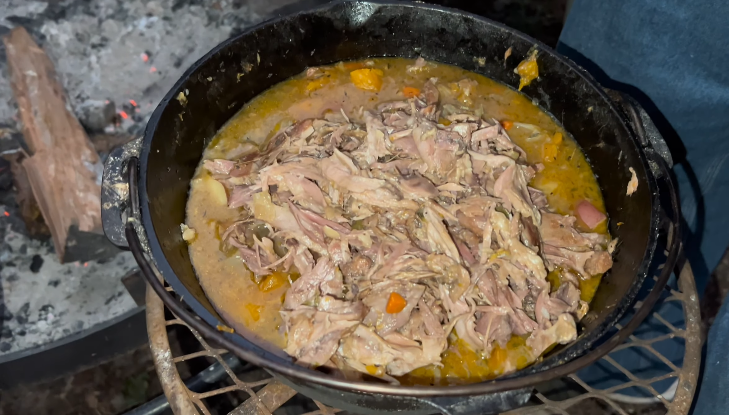
- The possum meat is fork-tender and pulls apart easily.
- The vegetables are soft and infused with flavor.
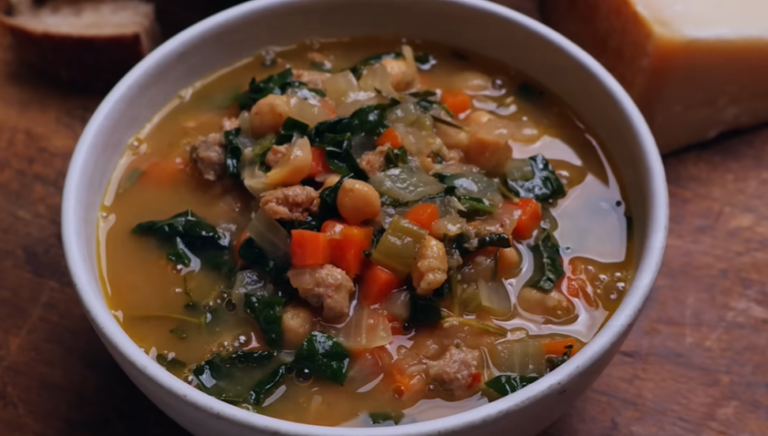
- The broth has thickened slightly into a rich, hearty consistency.
Final Touches
- Taste the stew and adjust the seasoning with more salt or pepper if needed.
- Remove the bay leaf before serving.
- Garnish with fresh parsley for a burst of color and freshness.
By following these steps, you’ll have a warm, satisfying homemade possum stew that tastes like it’s been cooked with love and tradition.
Serving and Pairing Suggestions
One of the best things about this Possum Stew Recipe is how versatile it is when serving. Here are some of my favorite ways to enjoy it:
- With Fresh Bread or Cornbread – Perfect for soaking up that rich, flavorful broth.
- Over Rice or Mashed Potatoes – For a hearty, filling meal that stretches even further.
- With Pickled Vegetables – Adds a tangy balance to the richness of the stew.
- As a Campfire Dish – Possum stew is a traditional recipe often cooked outdoors, making it a nostalgic option for camping trips.
Storage Instructions
Keeping It Fresh
- Store leftover stew in an airtight container in the refrigerator for up to 3 days.
- Reheat gently on the stove over low heat, adding a splash of broth or water if it thickens too much.
Freezing Possum Stew
- Allow the stew to cool completely before transferring it to freezer-safe containers.
- Freeze for up to 3 months.
- To serve again, thaw overnight in the refrigerator and reheat on the stove until piping hot.

Possum Stew Recipe
Ingredients
Video
Notes
Required Kitchen Tools
When making a traditional Possum Stew Recipe, having the right tools on hand will make the cooking process smooth and enjoyable. Here are the essentials I recommend:- Large Stockpot or Dutch Oven – Perfect for slow-cooking the stew evenly while locking in flavor.
- Sharp Chef’s Knife – Essential for cutting vegetables and portioning the possum meat.
- Cutting Board – A sturdy board to prep your vegetables and meat safely.
- Wooden Spoon or Ladle – Great for stirring and serving the stew.
- Tongs – Helpful for browning the possum pieces before simmering.
- Measuring Cups and Spoons – To ensure the right balance of seasonings.
Frequently Asked Questions (FAQ) – Possum Stew Recipe
What does possum meat taste like?
Possum meat has a flavor that’s often compared to dark chicken or rabbit, with a slightly gamey undertone. When slow-cooked in a stew, it becomes tender and absorbs the savory flavors of the broth and vegetables.
Is possum meat safe to eat?
Yes, possum meat is safe to eat as long as it is cleaned, cooked thoroughly, and sourced responsibly. Always ensure the possum has been adequately skinned, cleaned, and cooked to a safe internal temperature.
Can I substitute possum with another meat?
Absolutely! If you don’t have access to possum or prefer something more familiar, rabbit, chicken thighs, or even duck make great substitutes while keeping the rustic flavor of the stew.
How do I reduce the gamey flavor of possum?
To mellow out the gamey taste, soak the meat overnight in salted water or buttermilk before cooking. Browning the meat before simmering also helps create a deeper, richer flavor.
Can I make this stew in a slow cooker?
Yes! After browning the meat and sautéing the vegetables, transfer everything into a slow cooker. Cook on low for 6–7 hours or high for 3–4 hours, until the meat is tender.
What sides go best with possum stew?
Classic pairings include fresh-baked cornbread, biscuits, or mashed potatoes. A simple green salad or pickled vegetables also balances the richness of the stew beautifully.
How long can I store leftover possum stew?
Leftovers can be stored in the fridge for up to 3 days or frozen for up to 3 months. Reheat slowly on the stove to preserve the flavors and texture.
Conclusion
Cooking possum stew is more than just preparing a meal; it’s about embracing tradition and savoring flavors that have been passed down through generations. The tender, slow-cooked meat paired with wholesome vegetables creates a comforting dish that feels like home.
By following my step-by-step guide, you’ll master the art of making homemade possum stew that’s hearty, flavorful, and unforgettable. Whether you enjoy it around a family table, on a cold evening, or even at a campfire gathering, this dish brings people together with its rustic charm.
So, grab your ingredients, take your time, and let the stew simmer; you’ll be rewarded with a bowl of rich Southern comfort food that tells a story with every bite.
Sally Mckenney is a dedicated baking enthusiast and dessert lover who creates and shares delicious cake recipes and practical baking tips on Daily Bake Lab. Her passion for sweet treats inspires home bakers to explore new flavors and enjoy the art of baking.