Alligator Jambalaya Recipe | Authentic Cajun One-Pot Classic
If you’ve ever wanted to bring a taste of Louisiana straight into your kitchen, this Alligator Jambalaya Recipe is an unforgettable way to do it. Packed with the bold flavors of Cajun spices, tender alligator meat, and hearty sausage, this dish is perfect for family dinners, special gatherings, or whenever you crave something truly unique. I’ll guide you step by step so you can recreate this iconic southern dish with ease.
Preparing the Vegetables and Alligator Meat
When I make alligator jambalaya, I like to start with the fresh vegetables, which build the base flavor for the entire dish.
Sautéing the Vegetables
- Heat 3 tablespoons of oil in a deep frying pan over medium heat.
- Add the chopped bell peppers, crushed garlic, parsley, and celery.
- Sauté for 5–7 minutes until the vegetables are fragrant and slightly softened. This step really brings out the Cajun aroma I love.
Preparing the Alligator and Sausage
While the vegetables are cooking, I prepare the proteins:
- Cut the marinated alligator fillet into bite-sized pieces if you haven’t already. I always marinate mine in buttermilk, lemon juice, and Cajun spices for a few hours beforehand to make it extra tender.
- Chop the hot Italian sausage into chunks. Using a spicy sausage adds depth, but you can adjust based on your heat preference.
Once the vegetables are ready, I combine them with the sausage and alligator pieces in my stove-to-oven pot.
Combining Ingredients for Maximum Flavor
This is where the magic happens. I follow these steps to make sure every bite is packed with flavor:
- Pour in the canned tomatoes and chicken stock. I usually crush the tomatoes slightly with my spoon to release their juices.
- Add the chopped green onions, oregano, and a dash of hot sauce if I’m feeling bold.
- Sprinkle in Cajun spices and salt gradually, tasting as I go. Seasoning is key to authentic Louisiana flavor.
- Stir in the sautéed vegetables, raw white rice, and alligator-sausage mixture, making sure everything is evenly combined.
At this stage, the dish looks vibrant and smells like the hallmark of a good jambalaya!
Cooking the Alligator Jambalaya
Once all the ingredients are combined, it’s time to bring everything together. I always cook my jambalaya in two stages, stove and oven, to ensure the rice is perfectly cooked and the flavors meld beautifully.
Cooking on the Stove
- Place your pot over medium-high heat and bring the mixture to a gentle boil.
- Stir occasionally so the rice absorbs the liquid evenly and nothing sticks to the bottom.
- Cook until most of the liquid is absorbed, about 10–15 minutes. This helps the rice start cooking without turning mushy.
Baking in the Oven
To finish the dish and lock in all the flavors:
- Preheat your oven to 350°F (175°C).
- Cover the pot with a lid or aluminum foil.
- Bake for 25 minutes, allowing the rice to cook thoroughly and the alligator and sausage to become tender and juicy.
Tips for Tender Alligator Meat
- Marinate beforehand: I never skip marinating the alligator in buttermilk, lemon juice, and spices; it makes a massive difference in tenderness.
- Avoid overcooking: Alligator can become rubbery if cooked too long. Baking it after the stovetop simmer ensures it stays tender.
- Check the rice: The rice should be fluffy but fully cooked. If needed, add a splash of chicken stock and cover for a few more minutes.
Serving and Garnishing Your Alligator Jambalaya
When it comes to serving jambalaya, presentation and extra flavor touches make all the difference. I love making the dish as vibrant and inviting as it tastes.
Suggested Toppings and Sides
- Lemon wedges: A squeeze of fresh lemon brightens the flavors.
- Chopped green onions: Adds a fresh, crisp bite.
- Sour cream or crème fraîche: A small spoonful balances the spice beautifully.
- Crusty bread: Perfect for soaking up any leftover juices.
Serving it hot straight from the oven keeps the rice fluffy and the meat tender, guaranteed to impress anyone at the table.
Storage Instructions
Keeping Jambalaya Fresh
After enjoying my jambalaya, I store leftovers in an airtight container in the fridge for up to 3 days. Reheat gently on the stove or in the microwave to maintain the rice texture.
Freezing for Later
Jambalaya freezes beautifully. I portion it into freezer-safe containers and freeze for up to 1 month. Thaw in the fridge overnight before reheating, and you’ll have a ready-made Louisiana feast anytime.
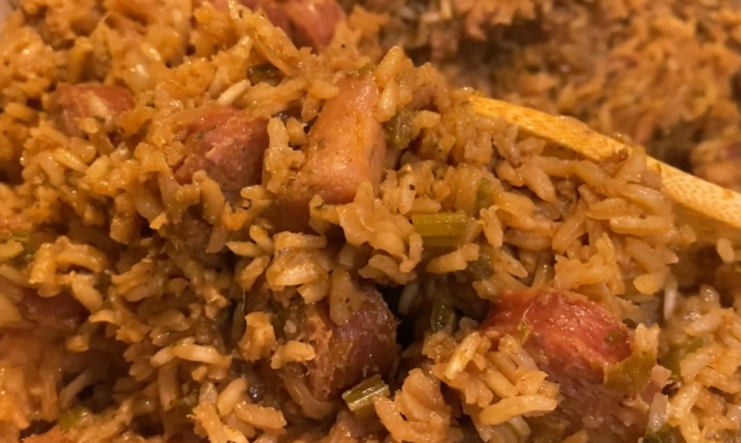

Alligator Jambalaya Recipe
Ingredients
Video
Notes
Required Kitchen Tools
When making my alligator jambalaya, I always rely on the right tools; it makes a huge difference:- Deep Frying Pan (Cast Iron preferred): Perfect for sautéing vegetables and developing flavor.
- Stove-to-Oven Pot (Corningware or Dutch Oven): Essential for combining all ingredients and finishing the dish in the oven.
- Wooden Spoon or Silicone Spatula: For stirring the jambalaya without scratching your cookware.
- Measuring Cups & Spoons: Accuracy is key when balancing spices.
Frequently Asked Questions (FAQ) About Alligator Jambalaya
Can I use frozen alligator meat for jambalaya?
Yes! You can use frozen alligator fillet, but make sure to thaw it completely before marinating and cooking. This ensures even cooking and tender meat.
How do I make alligator meat tender?
Marinating the alligator in buttermilk, lemon juice, and spices for a few hours is key. Avoid overcooking, as alligator can become rubbery if exposed to high heat for too long.
Can I substitute the alligator meat with chicken?
Absolutely! If alligator is hard to find, chicken breast or thigh pieces work well. Adjust cooking time slightly to ensure chicken stays juicy.
How spicy is this jambalaya?
The spice level can be adjusted to your taste. I use Cajun spices and hot Italian sausage for a medium kick, but you can reduce or increase heat by adjusting the hot sauce and Cajun seasoning.
Can I make this jambalaya in one pot?
Yes, you can. Using a stove-to-oven pot (like a Dutch oven or Corningware) allows you to sauté, combine, and bake everything in one dish for minimal cleanup.
How should I store leftovers?
Store jambalaya in an airtight container in the fridge for up to 3 days. It also freezes well for up to 1 month. Reheat gently on the stove or microwave.
What should I serve with Alligator Jambalaya?
Serve with lemon wedges, extra green onions, a spoonful of sour cream, or crusty bread. These sides complement the spicy, savory flavors perfectly.
Conclusion
Mastering this Alligator Jambalaya Recipe opens the door to authentic Louisiana cooking right in your own kitchen. From tender, marinated alligator meat to perfectly spiced sausage and vegetables, this dish is a celebration of bold flavors and hearty comfort.
By following these steps, sautéing the vegetables, combining the ingredients carefully, and finishing the dish in the oven, you can create a jambalaya that’s first with flavor, just like I do at home. Whether you’re introducing friends to exotic Cajun cuisine or just craving something different, this recipe delivers every time.
So grab your alligator, sausage, fresh veggies, and spices, and bring them to yoto ur table. Enjoy the bold flavors, tender meats, and comforting rice of this unforgettable Alligator Jambalaya!
Sally Mckenney is a dedicated baking enthusiast and dessert lover who creates and shares delicious cake recipes and practical baking tips on Daily Bake Lab. Her passion for sweet treats inspires home bakers to explore new flavors and enjoy the art of baking.