Moose Sausage Recipe | Hearty & Flavorful Wild Game
Craving a rustic, hearty, and truly wild flavor? My homemade Moose Sausage Recipe brings the rich, lean taste of moose meat together with pork for the perfect balance of texture and juiciness. Seasoned with garlic, maple sugar, and a hint of paprika, these sausages capture the true essence of the wilderness.
Whether you’re grilling them over an open flame, pan-frying, or freezing them for later, this recipe guarantees authentic flavor in every bite.
Preparing the Moose Sausage
Making moose sausage is all about technique, patience, and attention to detail. By keeping the meat cold and blending the spices properly, you’ll ensure that the sausages are juicy, flavorful, and hold their shape.
Step 1: Cube the Meat
Start by cutting both the moose meat and pork into small, even cubes. This makes grinding easier and helps the flavors blend better. Since moose is very lean, the pork adds essential fat for moisture and flavor.
Step 2: Season the Meat
Place the cubed meats into a large mixing bowl. Add the ground pepper, garlic powder, Saint-Lawrence salt, maple sugar, celery seeds, kosher salt mixture (with clove, celery powder, and rosemary), paprika, and finally the cold water.
Step 3: Blend Until Smooth
Using a meat grinder or food processor, grind the seasoned meat until you achieve a smooth, sticky texture. The cold water helps the mixture bind together while keeping the meat from overheating.
Step 4: Taste Test
Before committing to stuffing the sausage casings, always cook a small portion of the mixture in a skillet. Taste it and adjust seasonings if needed; this is your chance to make it perfect!
Step 5: Rest the Meat
Once you’re satisfied with the seasoning, cover the bowl with plastic wrap and refrigerate the meat mixture for at least 4 hours. This resting time allows the spices to infuse into the meat and helps the mixture firm up.
Stuffing and Shaping Moose Sausage
Now that the meat mixture is ready, it’s time to transform it into beautifully shaped sausages. This step takes a little patience, but it’s also the most rewarding part of the process.
Step 1: Prepare the Casings
Rinse the 32–34 gauge sausage casings in cold water to remove excess salt and soften them for stuffing. Let them soak in fresh water for a few minutes until they are pliable and easy to work with.
Step 2: Attach the Sausage Stuffer
Set up your sausage stuffer attachment (or use a hand-crank sausage stuffer if available). Lightly grease the nozzle with a drop of oil to help the casing slide on more easily.
Step 3: Fill the Casings
Carefully slide the casing onto the nozzle, leaving a few inches hanging off the end. Tie a knot at the end before you begin. Feed the meat mixture into the stuffer and gently fill the casing. Avoid overstuffing; this can cause the casing to burst while cooking.
Step 4: Twist and Shape
Once the casing is filled, twist the sausage every 6–8 inches to form individual links. Roll the sausages gently on your countertop to even out the filling and create a smooth, uniform shape.
Step 5: Rest Overnight
Place the finished sausages on a tray and refrigerate them overnight. This helps the casings firm up around the filling and makes them easier to cook or freeze the next day.
Cooking the Moose Sausage
Cooking moose sausage is versatile and straightforward; you can grill, pan-fry, or bake them depending on your preference.
- Grilling: Preheat your grill to medium heat. Cook sausages for about 15–20 minutes, turning occasionally, until they are browned evenly and the internal temperature reaches 160°F (71°C).
- Pan-Frying: Heat a skillet over medium heat with a touch of oil. Cook sausages for 12–15 minutes, turning frequently to ensure even browning.
- Oven-Baking: Place sausages on a baking sheet and bake at 375°F (190°C) for 25–30 minutes, flipping halfway through.
Storage Instructions
Refrigeration
Keep uncooked sausages refrigerated in an airtight container for up to 2 days. Cooked sausages can last 3–4 days in the fridge.
Freezing
For more extended storage, freeze the sausages. Wrap them individually in plastic wrap or parchment, then place them in a freezer-safe bag. They’ll stay fresh for up to 3 months. To use, thaw overnight in the fridge before cooking.
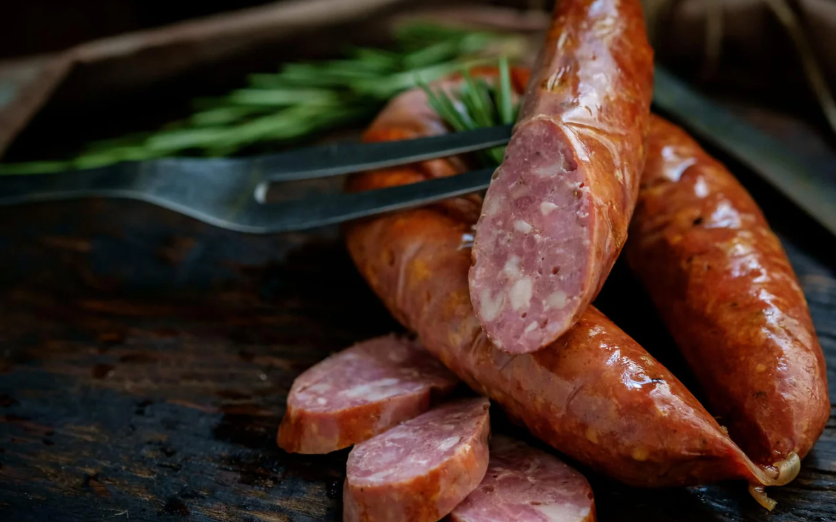

Moose Sausage Recipe
Ingredients
Video
Notes
Required Kitchen Tools
When preparing moose sausage, having the right kitchen tools makes the process smooth and enjoyable. Here’s what I use:- Meat Grinder or Food Processor – Essential for blending moose and pork into a smooth sausage mixture.
- Mixing Bowls – Large bowls for combining meat and seasonings evenly.
- Sausage Stuffer Attachment – Makes filling casings much easier and more consistent.
- Sharp Knife & Cutting Board – For cubing the moose and pork before grinding.
- Kitchen Scale – To measure precise amounts of spices for consistency.
- Refrigerator/Freezer Space – Important for chilling the meat mixture and storing sausages.
Frequently Asked Questions (FAQ)
Can I make moose sausage without pork?
Yes! If you want a leaner sausage, you can skip the pork. However, since moose is very lean, your sausages may turn out a bit dry. To balance this, you can add beef fat, lamb fat, or even a splash of olive oil to improve juiciness.
What seasonings go best with moose sausage?
Moose sausage pairs well with bold, earthy spices. Garlic, paprika, rosemary, and cloves complement the natural flavor of wild game beautifully. Maple sugar adds a subtle sweetness that enhances the rustic taste.
How do I know when my sausages are cooked?
The safest way is to use a meat thermometer. Cook until the internal temperature reaches 160°F (71°C). If you don’t have a thermometer, cut into one sausage; if the juices run clear and the inside is no longer pink, it’s ready.
Can I smoke moose sausage?
Absolutely! Smoking moose sausage gives it a delicious, rich flavor. Use wood chips like maple, applewood, or hickory for 2–3 hours at a low temperature until fully cooked.
How long can I freeze moose sausage?
Homemade moose sausage freezes well for up to 3 months. Be sure to wrap them tightly in freezer-safe bags to prevent freezer burn. Thaw in the fridge overnight before cooking.
Can I use this recipe for venison or elk sausage?
Yes! This recipe works great with venison, elk, or even antelope. Just adjust the fat content the same way you would with moo, since all wild game tends to be lean.
Conclusion
Making homemade moose sausage is more than just a recipe; it’s an experience. By blending lean moose meat with fatty pork and carefully chosen spices, you create sausages that are rustic, flavorful, and deeply satisfying. Whether you serve them sizzling off the grill, pan-fried with onions, or frozen for later adventures, these sausages bring a taste of the wild to your table.
So grab your moose meat, roll up your sleeves, and start stuffing, because nothing compares to the pride of enjoying your very own homemade moose sausage!
Sally Mckenney is a dedicated baking enthusiast and dessert lover who creates and shares delicious cake recipes and practical baking tips on Daily Bake Lab. Her passion for sweet treats inspires home bakers to explore new flavors and enjoy the art of baking.