Tortellacci Recipe | Authentic Italian Stuffed Pasta
Craving a comforting Italian dish that feels both rustic and elegant? Tortellacci is a traditional stuffed pasta from Emilia-Romagna, Italy, larger than tortellini and perfect for holding rich, creamy fillings. In this recipe, I’ll show you how to make homemade tortellacci with a ricotta and spinach filling, served with a simple sage butter sauce. It’s easier than you think, and the result is a restaurant-quality dish you can create right in your own kitchen.
Dough Preparation
Making fresh pasta dough is the foundation of authentic tortellacci. Don’t worry, it’s simpler than it looks.
Mixing the Ingredients
On a clean surface, make a mound with the flour and create a well in the center. Crack the eggs into the well, add salt, and beat them gently with a fork. Gradually incorporate the flour from the edges until a shaggy dough forms.
Kneading and Resting the Dough
Knead the dough with your hands for about 8–10 minutes until it becomes smooth and elastic. If it feels sticky, sprinkle in a little more flour. Once ready, wrap the dough in plastic wrap or a clean towel and let it rest for 30 minutes at room temperature. This step allows the gluten to relax, making the dough easier to roll out.
Preparing the Filling
While the dough rests, it’s time to prepare the flavorful ricotta and spinach filling.
In a mixing bowl, combine ricotta cheese, finely chopped spinach, Parmesan, and nutmeg (if using). Season with salt and pepper to taste. Stir everything until you get a smooth, creamy mixture. This will be the heart of your tortellacci, so don’t skip on tasting to ensure it’s perfectly seasoned.
Assembling the Tortellacci
Shaping tortellacci is an enjoyable step where the dish truly comes to life.
- Roll Out the Dough: After resting, roll the pasta dough into thin sheets, about 1/16 inch thick. Use a pasta machine for consistency, or a rolling pin if you prefer the traditional way.
- Cut the Pasta Circles; With a round cutter (or the rim of a glass), cut out 3-inch circles from the dough. Lightly flour your surface to prevent sticking.
- Add the Filling: Place a teaspoon of the ricotta-spinach filling in the center of each circle. Be careful not to overfill, or the tortellacci may burst while cooking.
- Seal the Edges: Brush a little water around the edge of the circle, fold it into a half-moon shape, and press firmly to seal. Make sure no air bubbles remain inside.
- Shape the Tortellacci: Take the two corners of the half-moon, bring them together, and press to seal, creating a small hat-like shape. Place finished tortellacci on a floured tray to prevent sticking.
Cooking the Tortellacci
Fresh pasta cooks quickly, so timing is key.
- Bring a large pot of salted water to a boil.
- Drop the tortellacci and cook for about 4 minutes, or until they float to the top.
- Use a slotted spoon to gently remove them from the pot.
Be careful not to overcook, as fresh pasta can become mushy.
Making the Sauce
A simple sage butter sauce is the perfect partner for tortellacci; it’s rich, aromatic, and highlights the delicate pasta filling.
- In a non-stick pan, melt the butter over medium heat.
- Let the butter cook until it turns golden brown and releases a nutty aroma.
- Add fresh sage leaves and let them crisp slightly in the butter.
- Remove from heat immediately to avoid burning.
Serving the Tortellacci
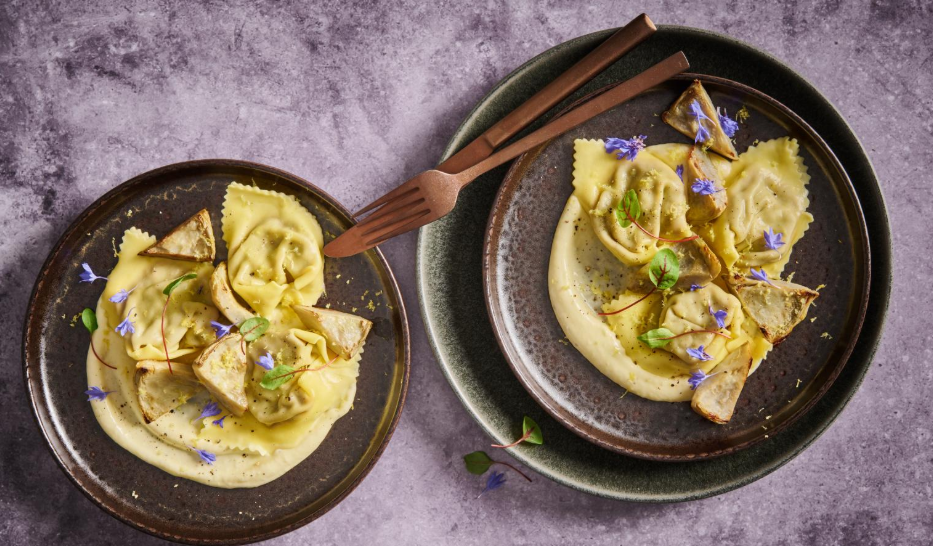
Gently toss the cooked tortellacci in the sage butter sauce, making sure each piece is coated evenly. Transfer to serving plates, then finish with a generous sprinkle of grated Parmesan cheese. For an extra touch, garnish with freshly cracked black pepper or a few fresh basil leaves.
This dish pairs beautifully with a crisp white wine like Pinot Grigio, or even a light red such as Chianti.
Storage Instructions
Keeping Tortellacci Fresh
If you plan to eat them within a day, keep uncooked tortellacci on a floured tray covered with a clean towel in the fridge.
Freezing Tortellacci
To store for longer, place uncooked tortellacci in a single layer on a tray and freeze until solid. Then, transfer them into a freezer-safe bag. They can be frozen for up to 1 month. Cook straight from frozen; add an extra minute to the boiling time.
Tortellacci Recipe
Ingredients
Video
Notes
Required Kitchen Tools
When preparing Tortellacci, the right tools make the process smooth and enjoyable. Here are my must-haves:- Rolling Pin or Pasta Machine: To roll the dough into thin, even sheets.
- Round Cutter (about 3 inches): For cutting pasta circles.
- Mixing Bowls: To prepare the filling and dough.
- Slotted Spoon: To gently lift cooked tortellacci from boiling water.
- Large Pot: For boiling the pasta.
- Non-stick Pan: To prepare the butter sage sauce.
Tortellacci Recipe FAQs
What is the difference between tortellacci and tortellini?
Tortellacci are larger than tortellini and often have more elaborate fillings like ricotta, spinach, or even meat. Tortellini are smaller and traditionally served in broth, while tortellacci are usually served with a rich sauce.
Can I make tortellacci without a pasta machine?
Yes! A rolling pin works just fine. It takes a little more effort, but you can still roll the dough thin enough for delicious tortellacci.
How do I keep tortellacci from opening while cooking?
Make sure to seal the edges well with a little water and press firmly. Also, avoid overfilling; too much filling can cause them to burst.
Can I prepare tortellacci in advance?
Absolutely. You can assemble the tortellacci a day ahead and keep them in the fridge, or freeze them for up to a month. Cook directly from frozen when ready.
What sauces go well with tortellacci?
While sage butter sauce is a classic, you can also try a creamy Alfredo, a fresh tomato-basil sauce, or even a simple garlic and olive oil drizzle.
Can I use store-bought pasta sheets instead of making dough from scratch?
Yes, if you’re short on time, fresh lasagna sheets from the store can be cut and used for making tortellacci. However, homemade dough gives you the most authentic texture and flavor.
What wine pairs best with tortellacci?
A crisp white wine like Pinot Grigio or Sauvignon Blanc pairs beautifully with ricotta and spinach tortellacci. If you prefer red, go for something light like Chianti or Barbera.
Conclusion
Homemade tortellacci may take a little time and care, but the payoff is worth every step. The silky pasta, creamy ricotta-spinach filling, and aromatic sage butter sauce come together in a dish that feels both comforting and gourmet. Whether you’re making it for a family dinner or a special occasion, this recipe brings the authentic taste of Italy to your table.
So roll up your sleeves, dust your counter with flour, and enjoy the satisfaction of creating tortellacci from scratch. Once you taste the first bite, you’ll know it was worth the effort.

Sally Mckenney is a dedicated baking enthusiast and dessert lover who creates and shares delicious cake recipes and practical baking tips on Daily Bake Lab. Her passion for sweet treats inspires home bakers to explore new flavors and enjoy the art of baking.