Japanese Beef Ojyu Recipe | Tender Beef Over Rice
I love making Beef Ojyu at home because it’s quick, comforting, and packed with umami flavors. The combination of thinly sliced beef, sweet onions, and a rich sauce poured over warm Japanese rice creates a dish that’s both hearty and satisfying. Topped with a golden egg and garnished with fresh green onions, it’s a meal that looks as good as it tastes.
In this recipe, I’ll guide you step by step to make the perfect Beef Ojyu, from cooking the beef just right to assembling the ultimate donburi bowl. Whether you’re a beginner in Japanese cooking or just looking for a quick dinner, this recipe will become a favorite in your kitchen.
Cooking Instructions
Step 1: Prepare the Sauce
First, I like to mix the sauce before cooking anything. In a small bowl, I combine soy sauce, mirin, sake, sugar, and dashi. Stir it well until the sugar dissolves completely. This mixture will give the beef and onions that rich, savory-sweet flavor that makes Beef Ojyu so irresistible.
Step 2: Cook the Onions
I heat 1 teaspoon of vegetable oil in a skillet over medium heat. Once hot, I add the sliced onions and cook them until they become soft and slightly caramelized, about 5 minutes. The sweetness of the onions complements the beef perfectly.
Step 3: Cook the Beef
Next, I add the thinly sliced beef to the skillet with the onions. I cook the beef for 3-5 minutes, stirring occasionally, until it’s browned but still tender. Using thinly sliced beef ensures it cooks quickly and stays soft.
Step 4: Add the Sauce
Once the beef is cooked, I pour the prepared sauce over the beef and onions. I bring it to a gentle boil and then let it simmer for 2-3 minutes, or until the sauce thickens slightly. This step lets the flavors meld beautifully and creates that signature glossy coating.
Step 5: Cook the Eggs
While the beef simmers, I cook 2 eggs sunny-side up or over-easy in a separate pan. The runny yolk adds a creamy texture that blends perfectly with the beef and rice.
Step 6: Assemble the Beef Ojyu
I scoop the cooked Japanese rice into bowls and top it with the beef and onions. If desired, I pour a little extra sauce over the rice for more flavor. Finally, I place the cooked egg on top and garnish it with thinly sliced green onions. A sprinkle of sesame seeds adds a nice nutty aroma.
Chef’s Tips:
- Use thinly sliced beef for tender, quick-cooking results.
- Don’t overcook the onions; a slight crunch adds texture.
- Serve immediately to enjoy the flavors at their peak.
Serving and Presentation
When I serve Beef Ojyu, I like to make it look as delicious as it tastes. A perfectly cooked egg on top adds creaminess, and sprinkling green onions or sesame seeds gives it a fresh, vibrant finish. You can also drizzle a little of the leftover sauce over the rice to make every bite flavorful.
I usually serve it in individual bowls, making it a perfect weeknight dinner or a comforting meal for a cozy lunch. The combination of tender beef, sweet onions, and savory sauce over fluffy Japanese rice makes it irresistible.
Storage Instructions
Keeping Beef Ojyu Fresh
If you have leftovers, I store the beef and onions in an airtight container in the refrigerator for up to 2 days. Store the rice separately to prevent it from getting soggy.
Reheating Tips
When reheating, I gently warm the beef and onions in a skillet over low heat and microwave the rice until hot. Reassemble the bowl with a fresh egg if desired, and it’s almost as good as freshly made.
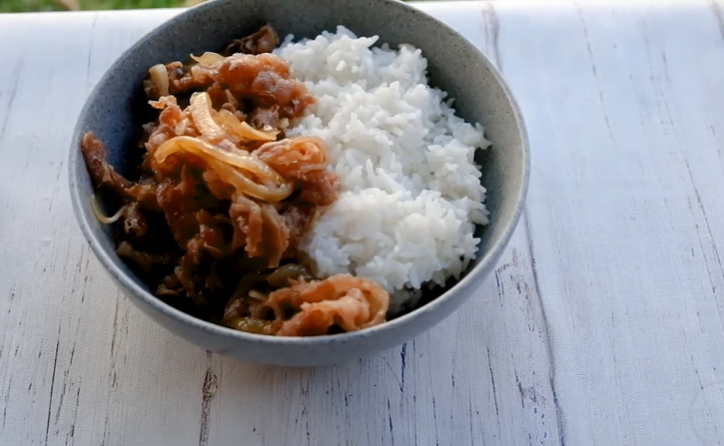

Beef Ojyu Recipe
Ingredients
Notes
Required Kitchen Tools
To make Beef Ojyu perfectly, I always use these tools to save time and get the best results:- Skillet or Frying Pan – Essential for cooking the beef and onions evenly. I prefer a non-stick pan for easy handling.
- Medium Saucepan – If you need to cook the eggs separately, a small saucepan works perfectly for sunny-side up or over-easy eggs.
- Mixing Bowl – To combine the soy sauce, mirin, sake, sugar, and dashi before adding to the pan.
- Wooden Spoon or Spatula – Helps stir and coat the beef and onions in the sauce evenly.
- Rice Cooker or Pot – For perfectly cooked Japanese rice, which is key to a good Beef Ojyu.
FAQ – Beef Ojyu Recipe
What cut of beef is best for Beef Ojyu?
I recommend using thinly sliced beef, like sirloin or rib eye. Thin slices cook quickly, stay tender, and absorb the savory-sweet sauce perfectly.
Can I make Beef Ojyu without dashi?
Yes! If you don’t have dashi, you can use a light beef or chicken broth as a substitute, but the flavor will be slightly different from authentic Japanese Beef Ojyu.
How do I make the eggs runny?
For a creamy yolk, cook your eggs sunny-side up or over-easy. Keep the heat medium-low and cover the pan briefly to help the whites set without overcooking the yolk.
Can I prepare Beef Ojyu ahead of time?
You can prepare the beef and onions in advance and store them in an airtight container in the fridge for up to 2 days. Heat before serving and add freshly cooked rice and egg for the best experience.
Can I add vegetables to Beef Ojyu?
Absolutely! Bell peppers, mushrooms, or spinach can be added for extra nutrition and color. I usually sauté them with the onions for even flavor.
How do I make Beef Ojyu more authentic?
Using mirin, sake, and dashi is key to authentic flavor. Also, using Japanese short-grain rice instead of regular rice makes a big difference in texture and taste.
Conclusion
Making Beef Ojyu at home is a simple way to enjoy authentic Japanese flavors without complicated techniques. The sweet-savory sauce, tender beef, and fluffy rice come together to create a dish that’s comforting and satisfying.
I love how versatile this recipe is. You can add vegetables like bell peppers or mushrooms, or adjust the sauce to your taste. With this step-by-step guide, anyone can make Beef Ojyu that looks and tastes amazing.
So grab your skillet, prepare your sauce, and enjoy this delicious Japanese donburi right at home. Trust me, once you try it, it will become a favorite in your kitchen!
Sally Mckenney is a dedicated baking enthusiast and dessert lover who creates and shares delicious cake recipes and practical baking tips on Daily Bake Lab. Her passion for sweet treats inspires home bakers to explore new flavors and enjoy the art of baking.