Cornmeal Moonshine Recipe | Classic Southern Style
Craving a bold, rustic homemade drink that’s rich in history? Dive into this Cornmeal Moonshine Recipe, a timeless Appalachian favorite that transforms simple grains into a strong, golden liquor. Making moonshine at home requires patience, precision, and respect for tradition, but the results are worth it.
From heating water to perfect temperatures to carefully stirring crushed corn and malted barley, every step shapes the final flavor. By following this guide, you’ll learn how to craft moonshine from scratch using simple ingredients and basic kitchen tools.
Mash Preparation
Making the mash is the foundation of this cornmeal moonshine recipe. The goal here is to extract fermentable sugars from the grains, which the yeast will later convert into alcohol. Temperature control and patience are the key players in this step.
Step 1: Heat the Water
I start by pouring 6.5 gallons of water into my large brew pot. I heat it to about 165°F. This is the sweet spot to gelatinize the corn starch without scorching it. Once I hit that temperature, I immediately remove the pot from direct heat.
Step 2: Stir in the Cornmeal
Next, I slowly stir in the 8.5 pounds of crushed cornmeal. At this point, I mix continuously for about 3–5 minutes. The cornmeal begins to thicken into a porridge-like consistency. After that, I stir every 5 minutes until I see a gel-like texture forming. This step ensures the corn releases its starches properly.
Step 3: Add the Malted Barley
When the temperature cools down to 152°F, I add the 2 pounds of crushed malted barley. Barley contains natural enzymes (amylase) that break down the starches from the corn into fermentable sugars. I stir it well, cover the pot, and let it rest for 90 minutes. During this time, I’ll give it a stir every 15 minutes to keep the mash uniform.
Step 4: Prepare the Yeast Starter
Around the 75-minute mark, I start preparing my yeast starter. I mix the bread yeast with a little warm water and a teaspoon of sugar in a clean jar. This activates the yeast and gets it bubbling nicely, ensuring a vigorous fermentation once pitched into the mash.
Fermentation Process
Once the mash is ready, the next step in my cornmeal moonshine recipe is fermentation. This is where the magic happens: the yeast works on the sugars and transforms them into alcohol.
Step 1: Cooling the Mash
Before adding yeast, I always make sure the mash has cooled to around 70–75°F. Adding yeast to hot liquid will kill it instantly, and that would ruin the entire batch.
Step 2: Pitching the Yeast
Once the temperature is just right, I pour my activated yeast starter into the fermentation bucket along with the mash. I give it a quick stir with a sanitized paddle to distribute everything evenly.
Step 3: Fermentation Time
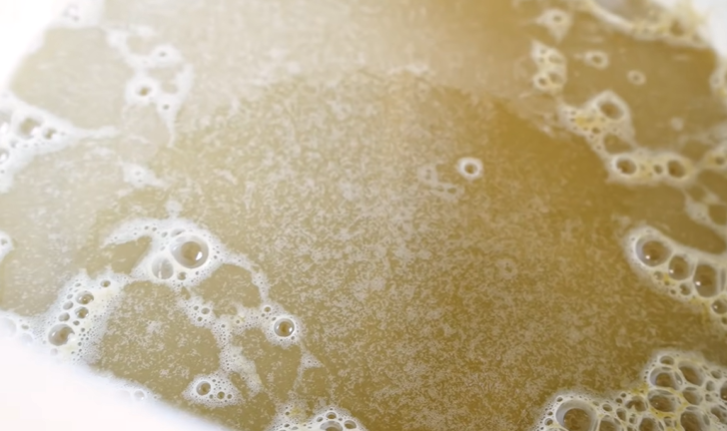
I seal the fermentation bucket with an airlock and place it in a dark, warm spot. Over the next 7–10 days, the yeast gets to work, bubbling away and converting sugar into alcohol. I usually notice heavy bubbling in the first few days, and it gradually slows as fermentation nears completion.
Straining the Mash
When fermentation is complete, I strain the mash to separate the liquid “wash” from the solid grains. I use a fine strainer or cheesecloth to filter out the solids carefully. This step is crucial because leftover solids can scorch during distillation, leaving behind bitter flavors.
Distilling the Moonshine
Now comes the most exciting (and traditional) part, distilling the wash into moonshine.
- Transfer the wash: I pour the strained liquid into a still, leaving solids behind.
- Heat Slowly: I gradually apply heat to the still. The alcohol begins to vaporize before water, rising and condensing back into liquid form.
- Collect in Stages: Distillation requires patience. I separate the first bit of distillate (“foreshots,” which contain methanol and other toxins) and discard it. Then come the “heads” (strong but harsh), the “hearts” (smooth and drinkable), and the “tails” (heavier compounds).
It’s the hearts that I keep; this is the clean, flavorful part of the moonshine.
Important Note: Distilling alcohol may be illegal without proper permits, depending on your location. Always check your local laws before attempting this step.
Storing Your Cornmeal Moonshine
After distillation, I always let my cornmeal moonshine rest before enjoying it. Storing incorrectly makes a big difference in flavor.
- Glass Jars or Bottles: I transfer the finished moonshine into clean, airtight glass jars or bottles. Never use plastic, as it can affect the flavor and purity.
- Cool, Dark Place: I keep the bottles in a cool, dark place to maintain quality. Direct sunlight or heat can change the taste over time.
- Optional Aging: For a smoother flavor, some people age moonshine in charred oak barrels or add oak chips to the jar. This gives it a whiskey-like character with hints of vanilla and caramel.
Serving Suggestions
Cornmeal moonshine is strong and bold, so I like to enjoy it in moderation. Here are my favorite ways to serve it:
- Straight: Sipped slowly from a small glass to appreciate the pure flavor.
- Chilled: Served cold or over ice to mellow the bite.
- Mixed: Added to cocktails like a classic “Apple Pie Moonshine” or mixed with lemonade for a refreshing twist.
Storage Life
When stored properly, homemade moonshine lasts indefinitely. Unlike beer or wine, it won’t spoil, but flavors can change over time, especially if aged in wood. For the best taste, I recommend enjoying it within a year if kept in glass jars.

Cornmeal Moonshine Recipe
Ingredients
Video
Notes
Required Kitchen Tools
Just like baking bread or brewing beer, making moonshine is smoother when you’ve got the right tools ready. Here are my essentials:- Large Brew Pot (at least 10 gallons): Needed to heat water and cook your cornmeal mash.
- Cooking Thermometer: Crucial for maintaining the right temperatures during mashing.
- Stirring Paddle or Large Spoon: Wooden or stainless steel is best for mixing grains evenly.
- Fermentation Bucket or Carboy (with Airlock): For fermenting your mash without contamination.
- Strainer or Cheesecloth: To separate the solids from the liquid after fermentation.
- Yeast Starter Jar: For prepping your yeast before pitching it into the mash.
Frequently Asked Questions About Cornmeal Moonshine
Can I use different yeast for moonshine?
Yes, you can. While I often use bread yeast for convenience, many distillers prefer distiller’s yeast or turbo yeast because they produce higher alcohol content and a cleaner flavor. Just remember, the yeast you choose will affect both fermentation speed and final taste.
How long does it take for cornmeal moonshine to ferment?
On average, fermentation takes 7–10 days, depending on temperature and yeast health. Warmer environments speed things up, while cooler spaces may slow it down. I usually wait until bubbling in the airlock has completely stopped before moving on.
How potent is homemade cornmeal moonshine?
Homemade moonshine can range from 40% to 60% ABV (80–120 proof), depending on how it’s distilled and cut. Always separate foreshots, heads, and tails properly for safety and better flavor.
How long does cornmeal moonshine last?
When stored in airtight glass containers, moonshine can last indefinitely. It won’t spoil, but the flavor may change if aged in wood or stored improperly. For best results, I keep it in a cool, dark place.
Do I need special equipment to make moonshine?
You’ll need a large brew pot, thermometer, fermentation bucket with an airlock, strainer, and a still for distillation. Clean equipment is essential for good results; contamination can ruin your mash.
Is it legal to make cornmeal moonshine at home?
This depends on where you live. In many countries (including the U.S.), distilling alcohol without a license is illegal. Always check your local laws before attempting to make moonshine at home.
Can I flavor my moonshine?
Absolutely! After distillation, you can flavor your moonshine with fruits, spices, or oak chips. A popular choice is Apple Pie Moonshine, made with apple cider, cinnamon, and sugar for a sweet, spiced kick.
Conclusion
Crafting cornmeal moonshine at home is more than just making a drink; it’s keeping a tradition alive. From heating the mash at just the right temperature to patiently waiting through fermentation, every step contributes to a final product that’s both rustic and rewarding.
I’ve learned that the key to great moonshine is cleanliness, patience, and precision. Whether you sip it neat, chill it, or mix it into cocktails, homemade cornmeal moonshine carries a unique flavor that store-bought spirits can’t match.
So, roll up your sleeves, gather your ingredients, and try this recipe for yourself. With practice and care, you’ll be making moonshine that rivals the best Appalachian classics.
Sally Mckenney is a dedicated baking enthusiast and dessert lover who creates and shares delicious cake recipes and practical baking tips on Daily Bake Lab. Her passion for sweet treats inspires home bakers to explore new flavors and enjoy the art of baking.